Jul 23, 2024
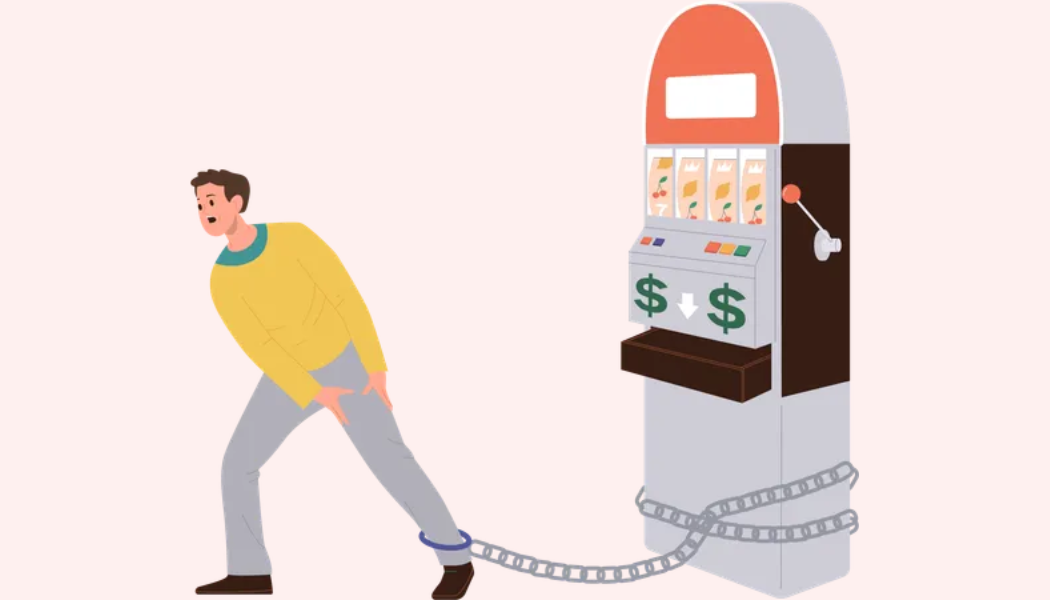
Most gamblers are well aware of the saying “the house always wins.” On average, a slot machine player might recover only 70–90% of their initial bet. The odds of gambling games like roulette are typically well-defined, whereas those for slot machines are less transparent. The probabilities of winning and losing are meticulously calculated to ensure a steady profit for the gambling industry.
Yet, despite this knowledge, people continue to gamble with the hope of making money. In 2006, as a fledgling professional, I encountered my first client who was a gambler. This man had not contributed his salary to his family for two years, despite holding two jobs. His family had already sold their cottage to cover debts and were burdened with $70,000 in loans.
“Everything is fine with me. I don’t have a problem, just some debts, which I’ll pay off very soon. It happened a couple of times before. I’m okay,” he insisted, making me curious about the origin of these debts.
“It’s all in the past. I don’t have a gambling addiction, nor any money — just a few bucks for cigarettes, and no desire to play,” he declared.
“That sounds like you only desire to gamble when you have money. No money — no desire!” I observed.
“You got it,” he replied, affirming my observation.
“And what will happen once you have money?” I pressed further.
He looked at me as though I were clueless and said, “What do you think? I will certainly go and gamble.”
PERIOD!
So, what does this story illustrate? It highlights three crucial elements central to understanding gambling addiction:
1. Officially recognized as an “addiction” in the DSM-V, gambling disorder demonstrates a transition from goal-directed behavior (action-result logic) to compulsive behavior. This shift is characterized by the repetitive response to conditioned associative (Pavlovian) stimuli, despite adverse consequences. For a gambler, these stimuli could be the money itself, the situation of acquiring it, or merely the opportunity to take (or borrow) it. Unlike the logical sequence of “I bet – win – stop – take the money – buy something useful or pay off my debts,” gambling becomes a cycle of obsessive repetition as described by Freud: “I bet – win – continue gambling until exhaustion or all the money is gone.” If the gambler wins and finds the strength to stop — they’ll likely return soon and continue until nothing is left.
2. Ironically, positive thinking can exacerbate the problem for many gamblers. They often become proponents of an overly optimistic mindset, attempting to compensate for guilt and other negative feelings (such as fear, anger, or frustration) that arise from losing money. This attitude not only fuels the continuation of gambling behaviors but also leads to escalating financial and reputational damage.
3. Gamblers typically place more value on the money they expect to win rather than the money they have already lost.
Q Medical / D. Avtonomov©
